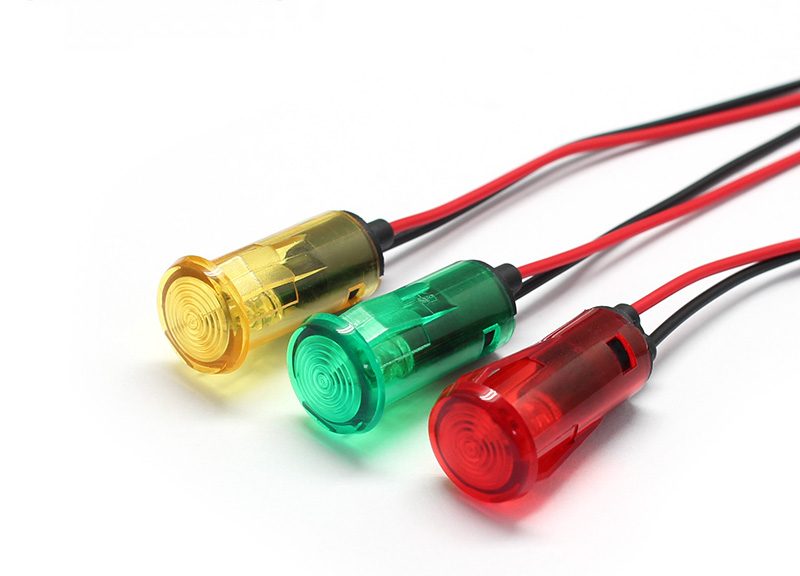
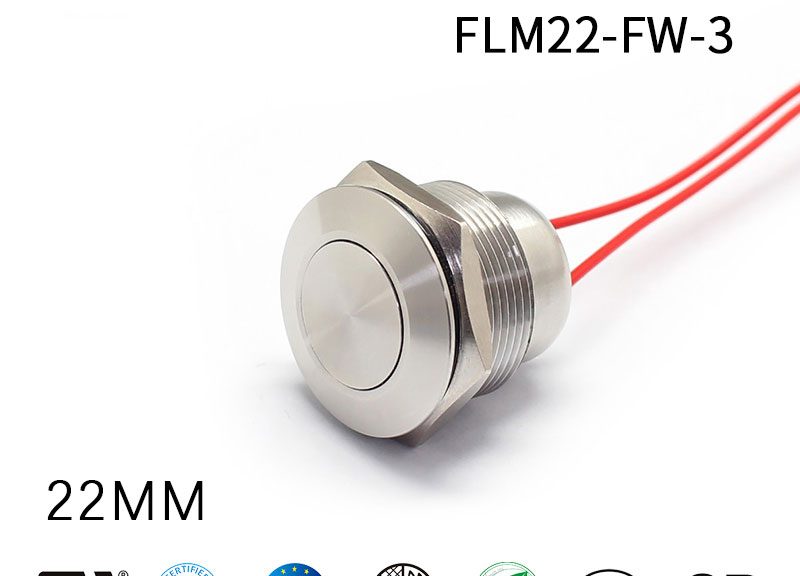
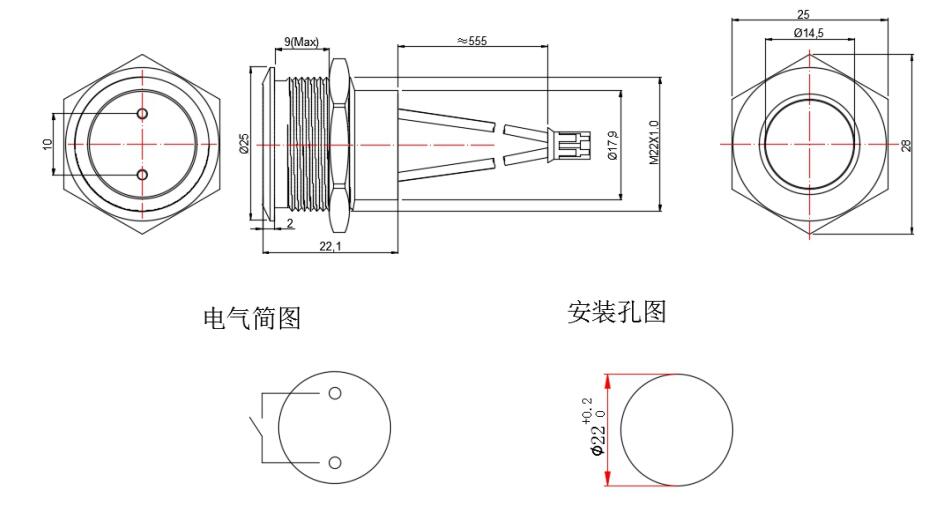
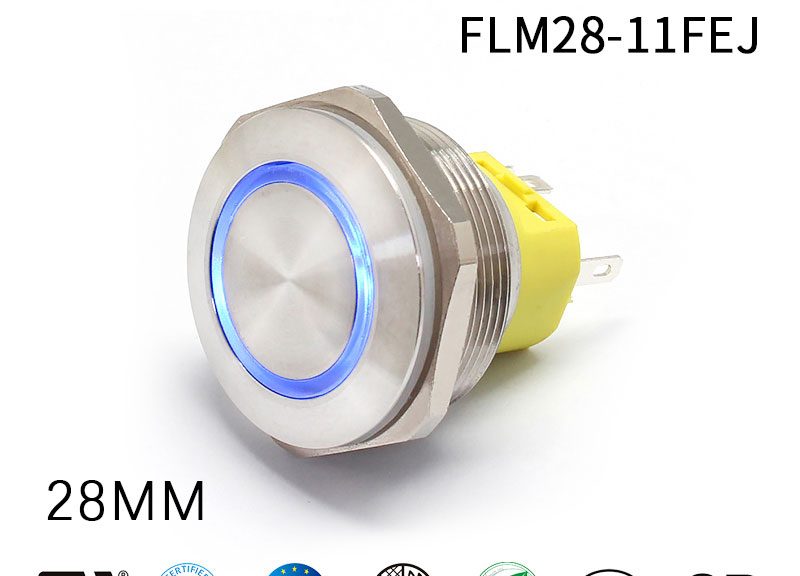
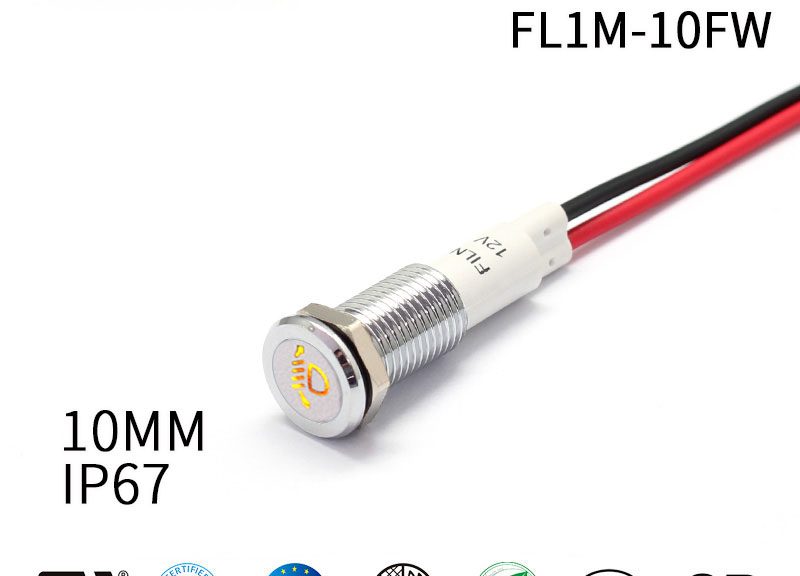
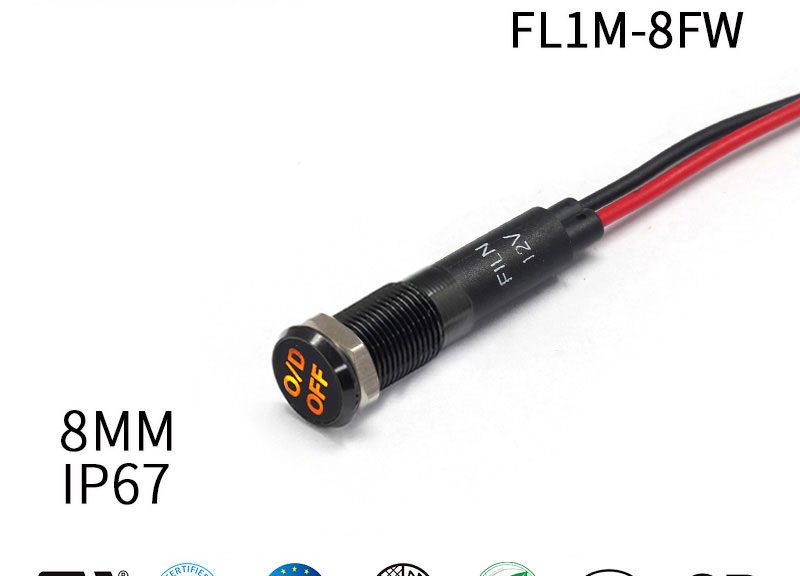
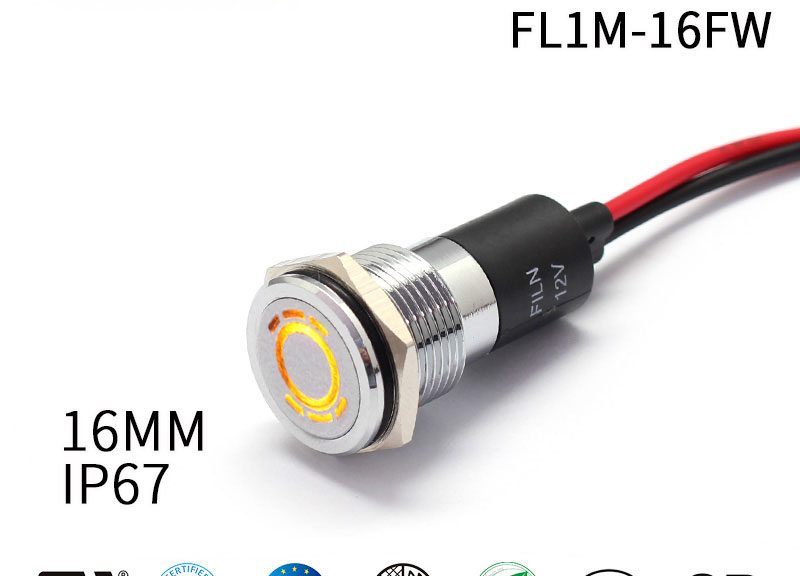
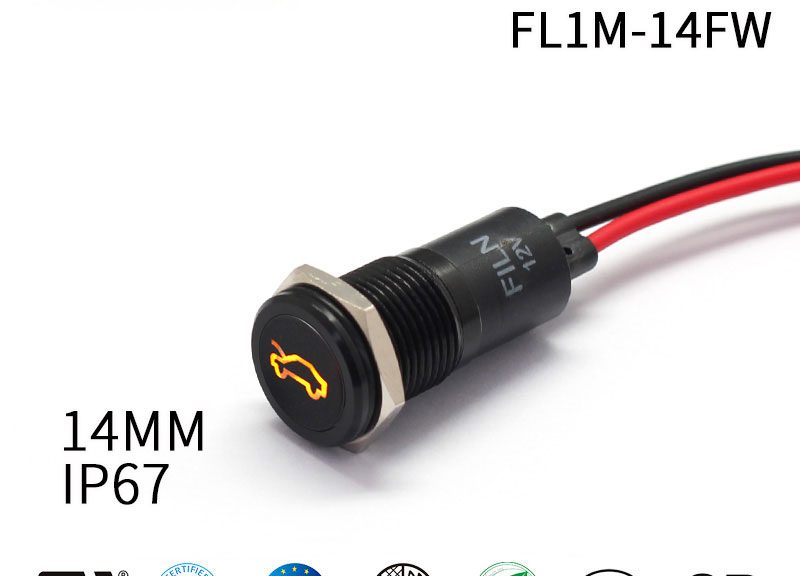
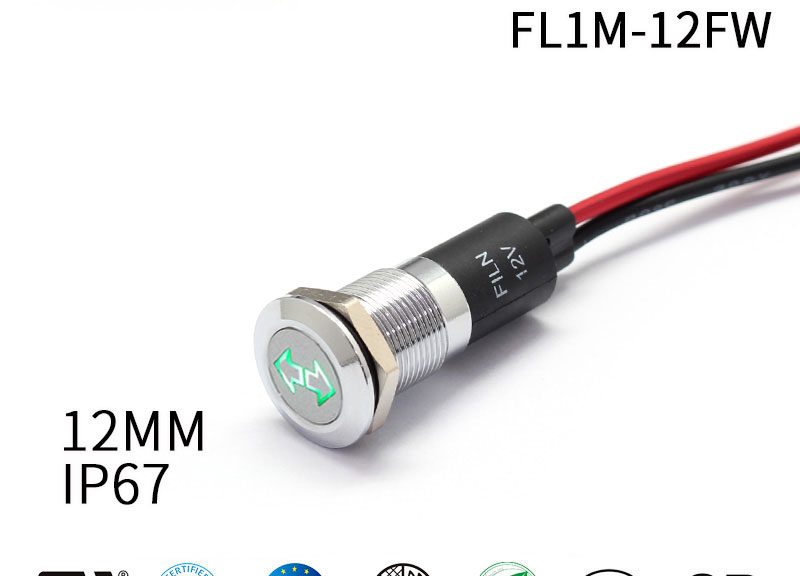
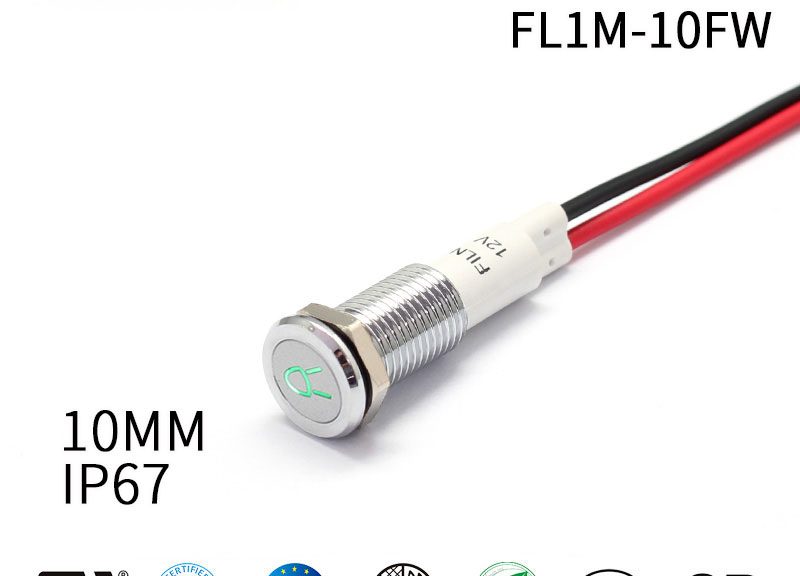
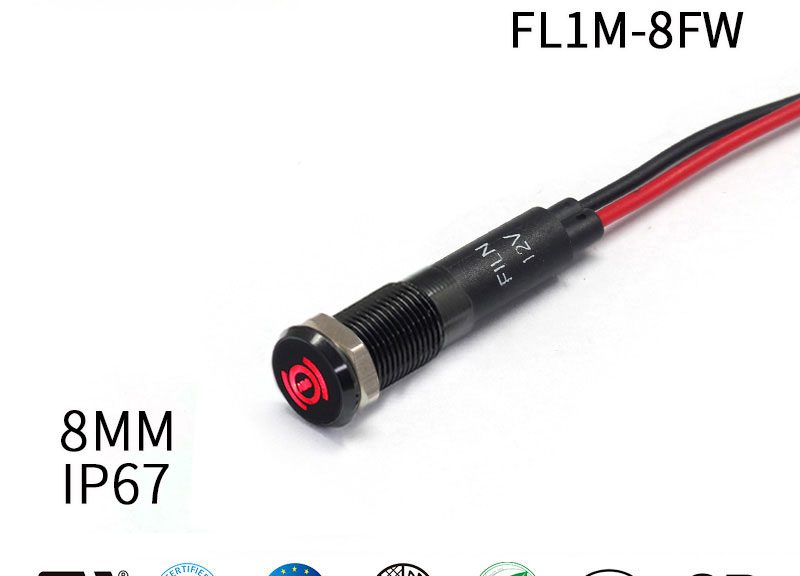
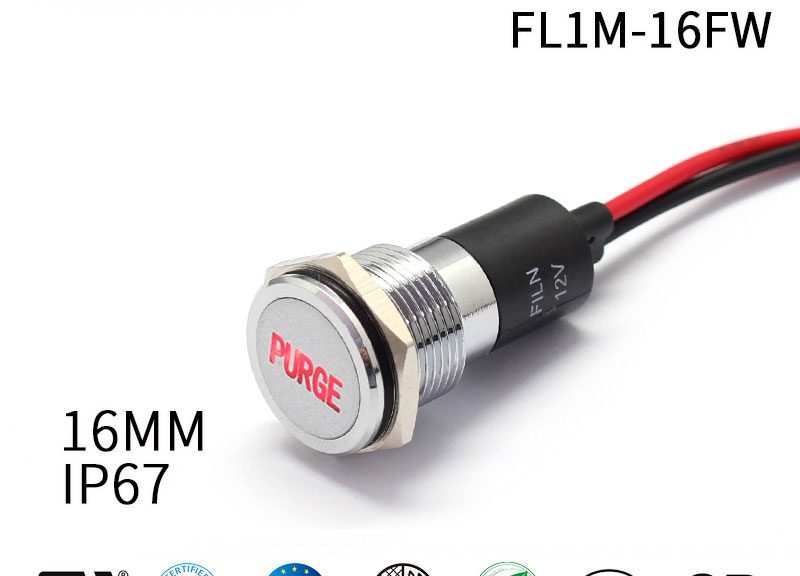
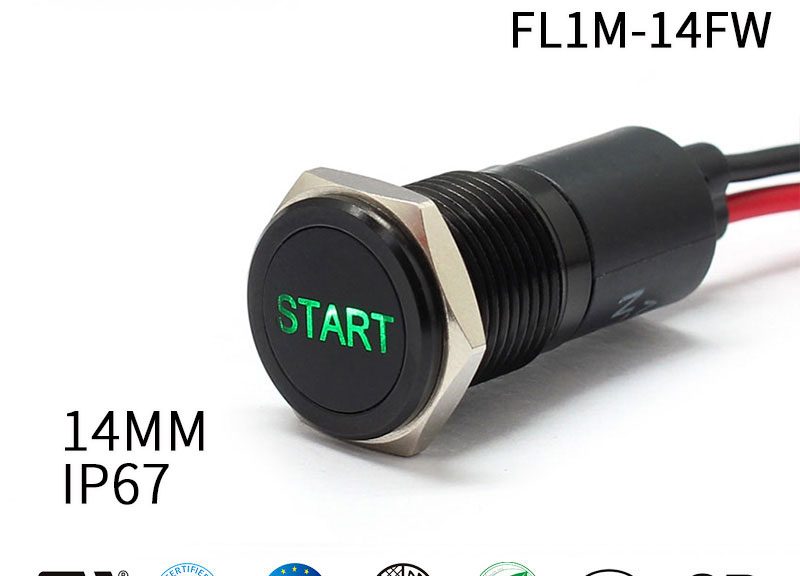
Kill switches, essential safety components used in various applications like cars, dirt bikes, guitars, boats, and lawn mowers, provide control and enhanced functionality. Whether you’re looking to wire a waterproof kill switch or install one on a lawn mower, understanding the types, wiring techniques, common issues, and legal considerations is crucial. This comprehensive guide will explore the intricacies of kill switches, including their installation, maintenance, customization options, and user experiences, offering insights and tips for both novices and professionals. Dive into this article to unravel the fascinating world of kill switches and how they can be seamlessly integrated into your daily life.
A push button kill switch is a device that interrupts the power to critical machinery components to provide safety or control. It’s an essential safety feature in various applications such as cars, motorcycles, and machinery. The core concept of the kill switch is simple but vital for ensuring proper control.
Kill Switch in Cars
In automobiles, the push button kill switch, or simply kill switch, is used to cut off the engine’s power in an emergency. This feature can be a lifesaver, providing an immediate response to any unpredictable situation. Learn more about wiring a push button switch for cars here.
Kill Switch in Motorcycles
For motorcycles, the kill switch button plays a vital role in safety. By pressing the button, the engine’s power is cut off, allowing the rider to control the vehicle in unforeseen circumstances.
Momentary Kill Switch in Guitars
A momentary kill switch guitar allows musicians to manipulate the sound by interrupting the signal path momentarily. This effect can create unique sound variations, making it a popular choice for creative artists.
Emergency stop buttons, a type of push button kill switch, are used in various industries to halt machinery operations instantly. They are designed to provide rapid response to potential hazards. You can explore different types of emergency stop buttons here.
Waterproof Kill Switches
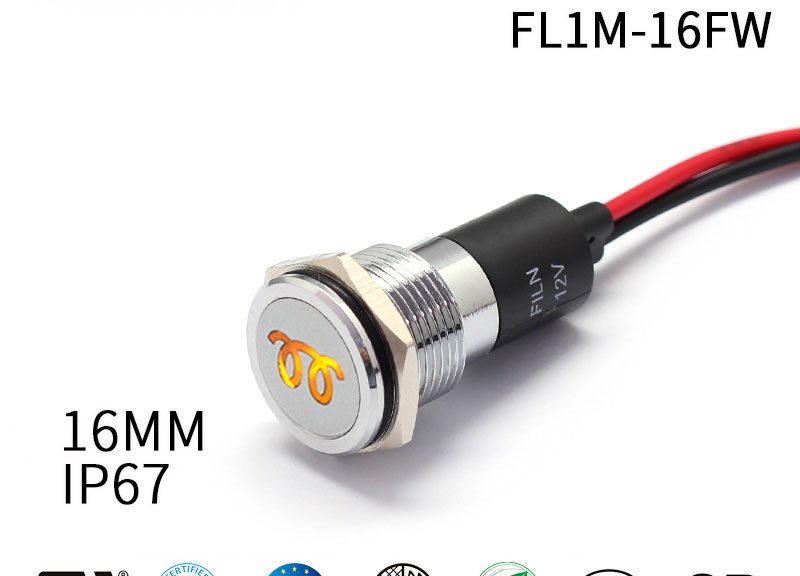
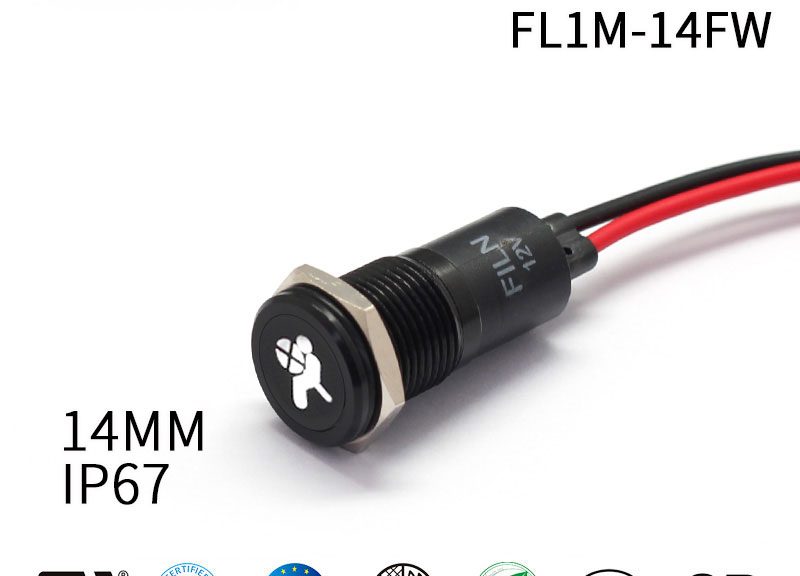
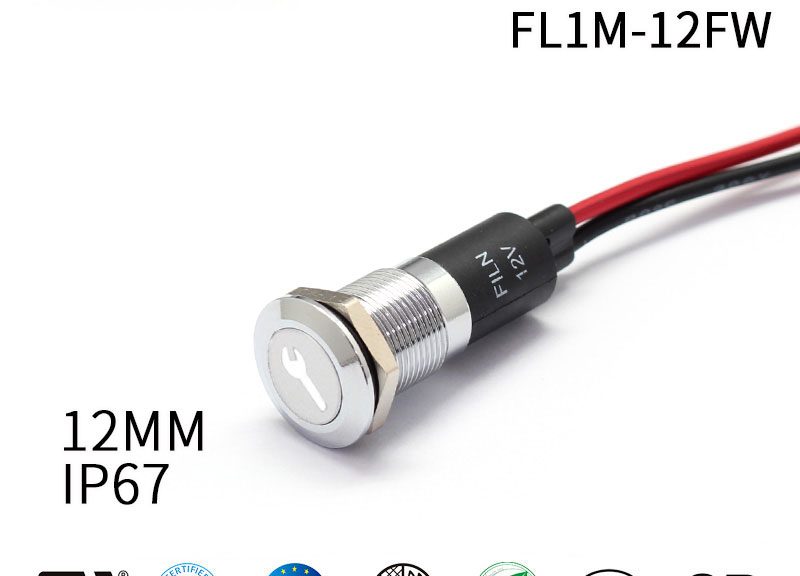
Waterproof push button kill switches offer added durability and are often used in environments where they might be exposed to moisture or water. These types of switches are popular in marine applications, outdoor machinery, or even in cars and motorcycles where weather resistance is required. Learn more about waterproof kill switches here.
Choosing the Right Kill Switch
When installing a kill switch button in a car, it’s essential to select the right type based on the vehicle’s requirements. From simple switches to complex systems with LED indicators, the choice varies.
Wiring the Kill Switch
Wiring a kill switch requires careful planning and following the car’s wiring diagram. Connecting the switch in series with the ignition circuit ensures that it will effectively cut off power when engaged. This guide can help you understand how to wire a push button switch.
Selecting the Mounting Location
The kill switch must be installed in an accessible but discreet location, ensuring easy access during an emergency while remaining concealed to prevent tampering.
Considering the Type of Vehicle
Different vehicles may require specialized kill switches. For example, a race car might need a more robust and responsive system, while a regular passenger car might only require a simple button.
Safety Precautions
Proper insulation and secure connections are vital when installing a kill switch to avoid any electrical faults. Following the manufacturer’s guidelines and seeking professional assistance if needed is advisable.
Integrating with Existing Systems
Some modern cars come with built-in kill switch systems that can be integrated with aftermarket buttons. Understanding the car’s existing wiring and circuitry will aid in the correct installation.
Importance in Car Security
A kill switch isn’t just a safety feature; it can also add an extra layer of security to your vehicle. By disrupting the ignition circuit, it can prevent unauthorized use of the car, effectively acting as an anti-theft device.
Customization Options
Custom kill switch buttons can be designed to match the car’s interior, providing both functionality and aesthetics. Some switches even come with LED indicators for visual feedback.
Momentary Kill Switches for Cars
A momentary kill switch is a type that only interrupts the circuit while being pressed, providing temporary control. These switches are prevalent in specific applications within the automotive industry, such as race cars.
Maintenance and Care
Regular inspection and maintenance of the kill switch ensure that it functions correctly when needed. It includes checking the wiring, connections, and button for wear and tear.
What are the Different Types of Momentary Kill Switches for Motorcycles?
Basics of Momentary Kill Switches
A momentary kill switch in motorcycles is designed to interrupt the engine’s ignition circuit briefly. This feature can be used for safety or control, allowing the rider to manage the motorcycle in various situations.
Types of Momentary Kill Switches
There are different types of momentary kill switches suitable for motorcycles, each with its unique features and applications. Here are some of the most common:
- Standard Momentary Kill Switch: This type is a simple push button that cuts off the engine momentarily when pressed. It’s commonly found on various motorcycle models.
- Toggle Type Kill Switch: This type allows the rider to switch between the ‘kill’ and ‘run’ modes quickly. It provides more control but can be more complex to install.
- Integrated Kill Switch with Starter Button: Some motorcycles feature an integrated kill switch with the starter button, offering a streamlined control interface.
- Wireless Kill Switch: A wireless kill switch provides remote control, allowing the rider or even a coach to shut off the engine from a distance. It’s particularly useful in training scenarios.
Considerations for Choosing a Kill Switch
The choice of a kill switch for a motorcycle depends on various factors like the bike’s model, the rider’s preferences, and the intended use (e.g., racing, daily commuting).
Importance of Compatibility
Not all kill switches are compatible with every motorcycle. Ensuring that the chosen switch matches the bike’s make and model is essential for optimal functionality.
Installation Process
Installing a momentary kill switch on a motorcycle requires following specific instructions and possibly making modifications to the existing wiring. Here’s how to connect a push-button switch on a motorcycle.
Safety Features
Some momentary kill switches come with safety features like waterproofing and shock
resistance. These features can be vital for off-road and racing motorcycles.
Customization Options
Custom-designed kill switches can match the motorcycle’s aesthetics, offering both style and functionality.
Maintenance Considerations
Regular inspection, cleaning, and occasional replacement of the momentary kill switch ensure that it continues to function as intended.
Popular Brands and Models
Some brands specialize in manufacturing kill switches specifically for motorcycles, offering various models to suit different needs. Find suitable momentary kill switch options here.
How to Wire a Momentary Kill Switch for a Guitar?
Introduction to Guitar Kill Switches
A momentary kill switch for a guitar allows the musician to temporarily cut the sound by pressing a button. This effect can be used creatively to produce staccato-like sounds and other effects.
Choosing the Right Kill Switch
The choice of a kill switch for a guitar depends on the type of guitar, the desired sound effects, and the musician’s preferences. There are various models available, including simple push-button types and more complex toggle switches.
Wiring Process
Wiring a momentary kill switch to a guitar involves connecting it to the guitar’s pickup and output jack. This process requires careful soldering and understanding of the guitar’s circuitry. Here’s a guide to wire a push-button starter switch.
Positioning the Kill Switch
The kill switch should be installed in a location that is easily accessible while playing, yet doesn’t interfere with the regular playing technique. It might require drilling a hole in the guitar’s body for mounting.
Special Types of Kill Switches
Some kill switches are designed specifically for certain types of guitars or playing styles, such as the EMG TKO kill switch. Choosing a specialized switch may enhance the instrument’s functionality.
Connecting with Other Effects
A momentary kill switch can be combined with other guitar effects like distortion or delay to create unique sounds. Proper wiring and integration are crucial for achieving the desired results.
Maintenance and Care
Regular inspection and maintenance of the kill switch ensure smooth operation. Any signs of wear or faulty connections should be addressed promptly to avoid performance issues.
Popular Brands and Models
There are various brands offering momentary kill switch options for guitars, ranging from budget-friendly choices to professional-grade models.
Customizing the Look
Some musicians choose to customize the appearance of the kill switch to match the guitar’s design. This customization can add a personal touch to the instrument.
Understanding the EMG TKO Kill Switch
The EMG TKO kill switch is a popular option among guitarists, known for its reliable performance and sleek design. It’s designed for easy installation and offers precise control over the sound.
What are the Key Features of EMG TKO Kill Switch?
Introduction to EMG TKO Kill Switch
The EMG TKO kill switch is a specialized kill switch designed for guitars. It’s known for its high quality, ease of use, and the unique sound effects it can create.
Key Features
- Ease of Installation: The EMG TKO kill switch is designed for easy installation, with clear instructions and necessary components included.
- Durability: Built with robust materials, the EMG TKO kill switch is meant to withstand rigorous use, making it suitable for both studio recording and live performances.
- Sound Control: With precise control, the EMG TKO kill switch allows musicians to create unique sound effects, ranging from subtle staccato patterns to more aggressive sound manipulations.
- Compatibility: The EMG TKO kill switch is compatible with various types of guitars, providing flexibility for musicians with different instruments.
- Aesthetics: Available in different designs and finishes, the EMG TKO kill switch can add a sleek touch to the guitar’s appearance.

Application in Different Music Genres
The EMG TKO kill switch is versatile and can be used in different music genres, including rock, metal, jazz, and more. Its flexibility makes it a favored choice among various musicians.
Installation Considerations
While the EMG TKO kill switch is designed for ease of installation, it might require some basic soldering skills or professional assistance for optimal performance.
Combining with Other Sound Effects
The EMG TKO kill switch can be combined with other guitar effects like pedals and amplifiers, allowing musicians to explore new soundscapes and create unique musical expressions.
Cost and Availability
The EMG TKO kill switch is available at various price points, catering to both amateur musicians and professionals. Finding the right model that fits the budget and requirements is essential.
User Reviews and Opinions
Musicians who have used the EMG TKO kill switch often praise its reliability, sound control, and overall quality. It has become a go-to choice for many guitarists looking to enhance their instruments.
Alternative Options
While the EMG TKO kill switch is popular, there are other options available in the market. Comparing features, prices, and user reviews can help in making an informed choice.
Connection with Other EMG Products
The EMG TKO kill switch is part of a broader range of products offered by EMG, including pickups and other accessories. It can be integrated seamlessly with other EMG products for a cohesive setup.
Maintenance and Warranty
Regular care and maintenance of the EMG TKO kill switch ensure its longevity. Many models come with a warranty, providing additional peace of mind to the users.
How Does a Momentary Kill Switch Operate in a Car?
Introduction to Momentary Kill Switch in Cars
A momentary kill switch in a car is designed to temporarily cut off the engine’s power when pressed. Unlike a regular kill switch that maintains the ‘off’ position, a momentary kill switch only interrupts the circuit while being pressed.
How It Works
A momentary kill switch works by breaking the electrical connection to the ignition circuit momentarily. When the button is pressed, the circuit is open, cutting off power. Releasing the button restores the connection, resuming normal
operation.
Benefits of a Momentary Kill Switch in Cars
- Security: By installing a momentary kill switch, the car owner can enhance security, making it difficult for unauthorized users to start the engine.
- Safety: In case of an emergency, the momentary kill switch can be used to quickly shut down the engine, reducing the risk of accidents or damage.
- Convenience: Some car owners prefer the tactile feel of a physical kill switch as a start/stop button for the engine, providing a sporty driving experience.
Installing a Momentary Kill Switch in Cars
Installation of a momentary kill switch in cars requires careful planning and understanding of the car’s electrical system. It should be connected to the ignition circuit, and professional installation may be recommended. Here’s a guide on how to wire a push-button switch with LED.
Choosing the Right Momentary Kill Switch
Selecting the appropriate momentary kill switch for a car depends on the car model, the desired functionality, and personal preferences. Various options are available, ranging from simple push-button switches to more complex designs with integrated LEDs.
Maintenance and Inspection
Regular inspection and maintenance of the momentary kill switch are vital to ensure that it continues to function properly. Any signs of wear or damage should be addressed promptly.
Integration with Other Car Systems
A momentary kill switch can be integrated with other car systems, such as alarms or remote starters. This integration can enhance functionality and provide a more cohesive user experience.
Legal Considerations
In some jurisdictions, specific regulations might govern the installation and use of momentary kill switches in cars. Compliance with local laws and regulations is essential.
Cost and Availability
The cost of a momentary kill switch for a car can vary based on the design, functionality, and brand. Finding the right option that suits the budget and requirements is key.
User Reviews and Experiences
Car owners who have installed momentary kill switches often highlight the enhanced control, security, and unique driving experience they provide.
Popular Brands and Models
Several brands offer momentary kill switch options for cars, catering to different needs and preferences. Explore a wide range of momentary car push-button ignition switches here.
Customization Options
Some car owners choose to customize the appearance and functionality of the momentary kill switch to match their vehicle’s aesthetics and personal preferences.
How to Wire a Dirt Bike Kill Switch?
Introduction to Dirt Bike Kill Switch Wiring
A kill switch on a dirt bike is an essential safety feature that allows the rider to quickly shut off the engine in case of an emergency. Understanding how to wire a kill switch is crucial for both installation and maintenance.
Types of Dirt Bike Kill Switches
Different types of kill switches are available for dirt bikes, ranging from simple push-button switches to more advanced designs with additional features like integrated lights.
Wiring Diagrams and Guides
Wiring a dirt bike kill switch requires understanding the bike’s electrical system and following a specific wiring diagram. This wiring diagram guide can assist in connecting a push-button switch.
Choosing the Right Kill Switch
Selecting the appropriate kill switch for a dirt bike depends on various factors, including the bike’s make and model, the intended use (racing, trail riding, etc.), and personal preferences.
Installation Process
Installing a dirt bike kill switch involves connecting it to the bike’s ignition system. Proper soldering and connection techniques are vital to ensure reliable performance.
Positioning the Kill Switch
The kill switch should be installed in a location that is easily accessible during riding yet doesn’t interfere with the rider’s normal operation of the bike.
Legal and Regulatory Considerations
In some regions, specific regulations might govern the use of kill switches on dirt bikes. Compliance with these laws ensures the rider’s safety and legality of the bike.
Maintenance and Inspection
Regular inspection, cleaning, and maintenance of the kill switch are essential to ensure that it functions correctly when needed.
Customization Options
Custom-designed kill switches can match the aesthetics of the dirt bike, providing a cohesive look and adding personal touches to the machine.
Popular Brands and Models
Various brands specialize in manufacturing kill switches for dirt bikes, catering to different needs and preferences.
Common Issues and Troubleshooting
Understanding common issues with dirt bike kill switches and how to troubleshoot them can save time and prevent potential safety risks. Regular inspection helps in early detection of problems.
How to Wire an EMG Killswitch?
Introduction to EMG Killswitch Wiring
EMG is a well-known brand offering specialized kill switches for guitars, known as EMG killswitches. Wiring an EMG killswitch requires specific knowledge and techniques to ensure optimal performance.
Types of EMG Killswitches
EMG offers various types of killswitches, including push-button and toggle designs. Choosing the right type depends on the guitar, desired sound effects, and personal preferences.
Wiring Process
Wiring an EMG killswitch involves connecting it to the guitar’s circuitry, including pickups and output jack. Following the provided instructions and using proper soldering techniques is essential.
Compatibility Considerations
EMG killswitches are designed to be compatible with various guitar models and types. However, checking compatibility before purchase and installation is recommended.
Positioning the EMG Killswitch
The positioning of the EMG killswitch on the guitar is crucial for ease of use and aesthetic considerations. It might require custom drilling or modification of the guitar body.
Integrating with Other EMG Products
EMG killswitches can be integrated seamlessly with other EMG products, such as pickups and preamps. This integration can provide a cohesive sound experience.
Customization and Aesthetics
EMG killswitches are available in different designs and finishes, allowing musicians to match them with their guitars’ appearance and add personal touches.
Maintenance and Care
Regular inspection, cleaning, and maintenance of the EMG killswitch ensure smooth operation and longevity.
User Reviews and Experiences
Musicians who have installed EMG killswitches often praise their quality, ease of installation, and unique sound effects they provide.
Popular Models and Availability
EMG offers various models of killswitches, catering to different needs, preferences, and budget considerations.
Common Issues and Troubleshooting
Understanding common issues with EMG killswitches and how to troubleshoot them can enhance the user experience and ensure reliable performance.
Legal and Warranty Considerations
EMG killswitches come with specific warranties and legal considerations. Being aware of these aspects ensures proper usage and support when needed.
How Do You Make a Waterproof Kill Switch?
Introduction to Waterproof Kill Switches
Waterproof kill switches are designed to withstand moisture and water exposure, making them suitable for applications like boats, outdoor equipment, and wet environments. Creating a waterproof kill switch requires specific techniques and materials.
Choosing the Right Materials
Selecting materials that resist water and corrosion is essential for creating a waterproof kill switch. This includes using seals, gaskets, and coatings that prevent moisture ingress.
Design Considerations
The design of
a waterproof kill switch must consider factors like the expected water exposure level, temperature fluctuations, and mechanical stresses.
Wiring and Connections
Wiring a waterproof kill switch requires special care to ensure that connections are sealed and protected from water. Using proper connectors and sealing techniques is crucial.
Integration with Other Systems
Waterproof kill switches can be integrated with other systems, such as alarms or safety mechanisms, to enhance functionality in wet environments.
Maintenance and Inspection
Regular inspection and maintenance of waterproof kill switches are vital to ensure continued water resistance and reliable operation.
Customization Options
Custom-designed waterproof kill switches can match specific applications and requirements, including aesthetics, functionality, and regulatory compliance.
Popular Brands and Models
Several brands specialize in manufacturing waterproof kill switches, catering to different applications and preferences.
Common Issues and Troubleshooting
Understanding common issues with waterproof kill switches and how to troubleshoot them ensures that they continue to function properly in wet conditions.
Legal and Regulatory Considerations
Specific regulations might govern the use and installation of waterproof kill switches in some applications. Compliance with these laws is essential.
User Reviews and Experiences
Those who have used waterproof kill switches often highlight their reliability, durability, and suitability for various applications.
How Do You Wire a Kill Switch on a Lawn Mower?
Introduction to Lawn Mower Kill Switch Wiring
Wiring a kill switch on a lawn mower is an essential safety feature that allows the operator to quickly shut off the engine. Proper installation and wiring are vital for effective operation.
Types of Lawn Mower Kill Switches
Different types of kill switches are available for lawn mowers, including toggle, push-button, and key-operated designs. Choosing the right type depends on the mower model and personal preferences.
Wiring Diagrams and Instructions
Wiring a lawn mower kill switch requires following specific diagrams and instructions, depending on the mower’s make and model. Proper connections and soldering techniques are essential.
Choosing the Right Kill Switch
Selecting an appropriate kill switch for a lawn mower depends on factors like the mower’s engine type, safety requirements, and personal preferences.
Positioning the Kill Switch
The kill switch should be installed in a location that is easily accessible to the operator without interfering with normal operation.
Integration with Other Safety Features
A lawn mower kill switch can be integrated with other safety features, such as blade brakes, to enhance the overall safety of the machine.
Maintenance and Inspection
Regular inspection, cleaning, and maintenance of the kill switch are essential to ensure that it functions correctly and remains safe to use.
Customization Options
Custom-designed kill switches can match the aesthetics of the lawn mower, providing a cohesive look and adding personal touches to the machine.
Common Issues and Troubleshooting
Understanding common issues with lawn mower kill switches and how to troubleshoot them can prevent downtime and ensure safe operation.
Legal and Regulatory Considerations
Specific laws and regulations might govern the use of kill switches on lawn mowers. Compliance with these rules is essential to ensure safety and legality.
Popular Brands and Models
Various brands offer kill switch options for lawn mowers, catering to different needs, preferences, and budget considerations.
Conclusion
Kill switches play a critical role in various applications, providing safety, control, and enhanced functionality. Whether used in cars, dirt bikes, guitars, boats, or lawn mowers, understanding how to wire and properly utilize kill switches is vital. By choosing the right materials, following proper wiring techniques, and adhering to legal considerations, kill switches can be a valuable addition to various devices and machinery. With a myriad of options available, selecting the appropriate kill switch for specific needs and preferences is key. Regular maintenance, customization options, and understanding common issues further enhance the user experience and reliability of kill switches.