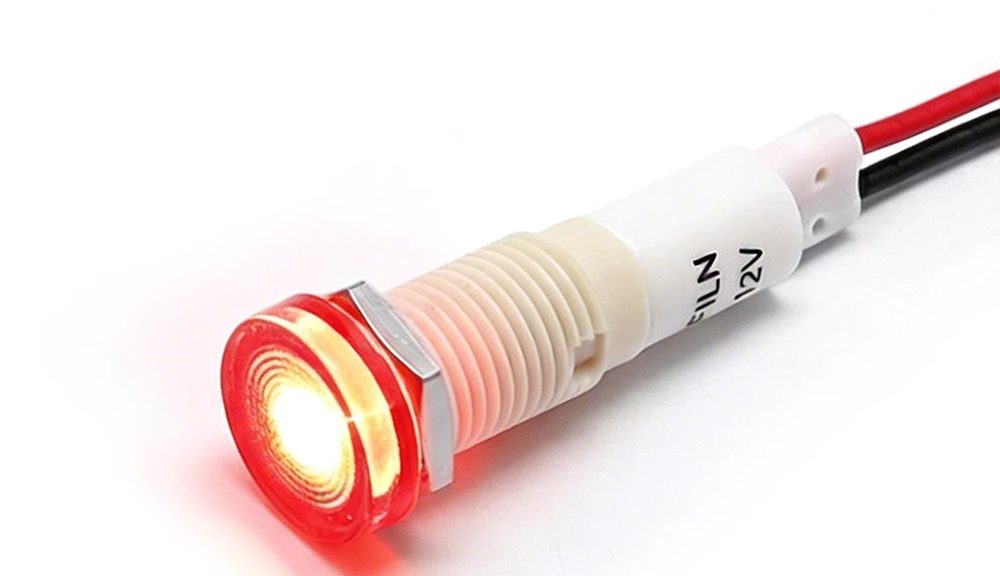
Neon Indicator Light. A Comprehensive Guide
Navigating the diverse world of lighting technology can be a complex endeavor, particularly when it comes to neon indicator lights. This article provides an exhaustive exploration of neon indicator lights, comparing them with other prominent lighting options such as sodium lights, HID lights, mercury lamps, CFL lights, and panel mount lamps. From understanding the working principles, energy efficiency, and aesthetic considerations to evaluating the best choices for various industrial and decorative applications, we delve into every aspect that helps you make informed decisions. Whether you’re looking for visually appealing designs, eco-friendly options, or simply seeking to understand the technology’s future trends, this guide covers it all, illuminating the fascinating world of neon indicator lights.
1. 10 Most Asked Questions About Neon Indicator Light
The neon indicator light, also known as neon lamps, has garnered considerable interest and many questions. Here’s a list of the most asked questions. 1.What are neon indicator lights, and how do they differ from other lighting options? 2.How do neon indicator lamps 240v work, and what are their applications? 3.What is the difference between neon pilot lights and standard neon lights? 4.How do sodium lights differ from neon lights, and where are they used? 5.What are the specifications of panel mount lamps, and how are they related to neon lights? 6.How do HID light, mercury lamp, and CFL light compare to neon lights? 7.How to choose the best neon indicator light for your needs? 8.What are the benefits of using neon lights in various industrial applications? 9.How to install and maintain neon indicator lights? 10.What are the latest trends and innovations in neon indicator lighting technology?
2. What are Neon Indicator Lights and How Do They Differ from Other Lighting Options?
Understanding Neon Indicator Lights
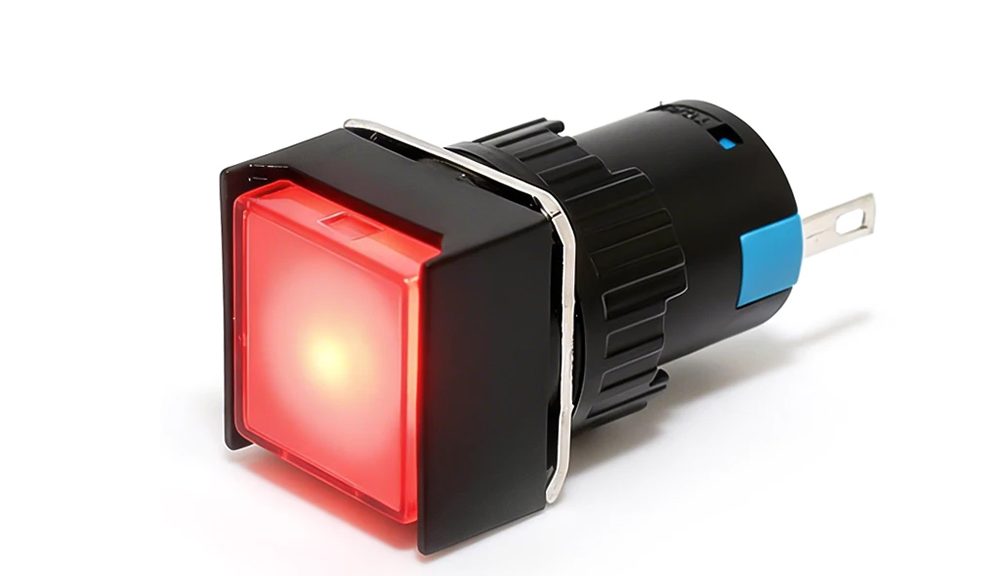
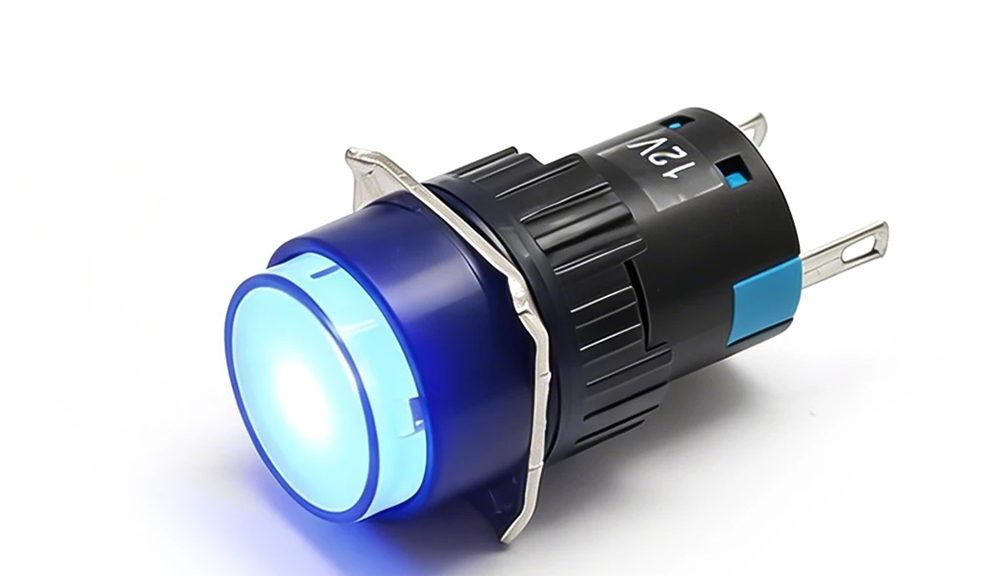
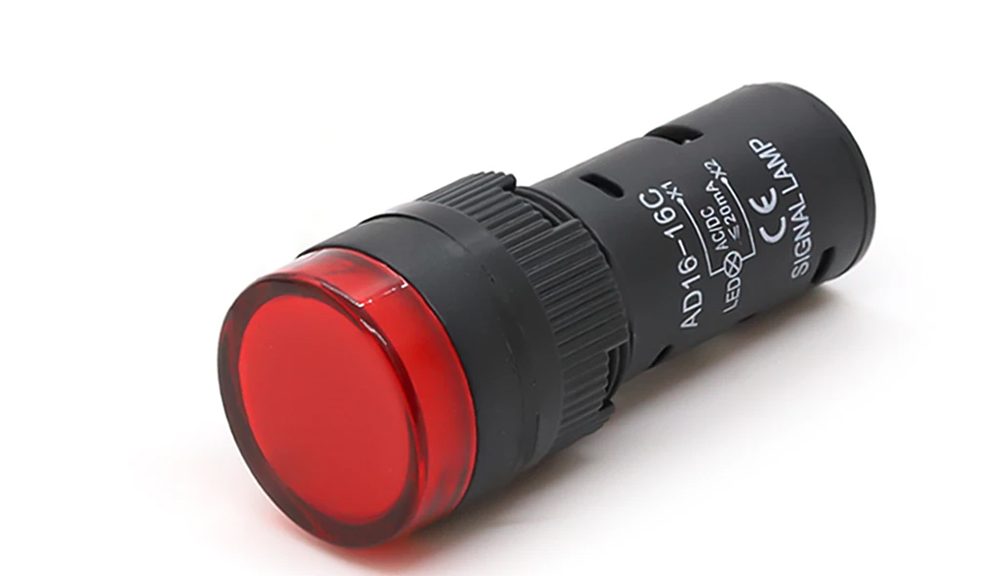
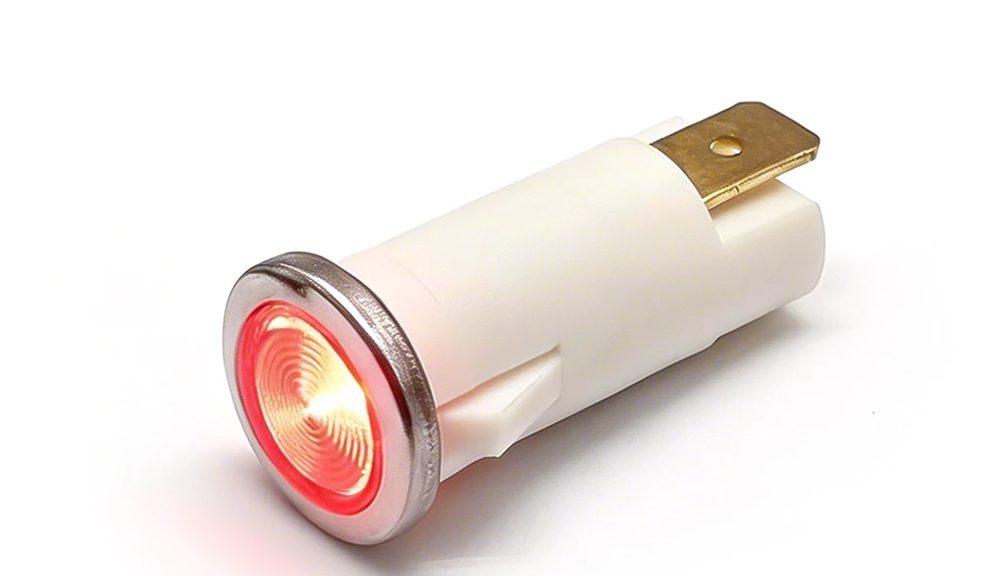
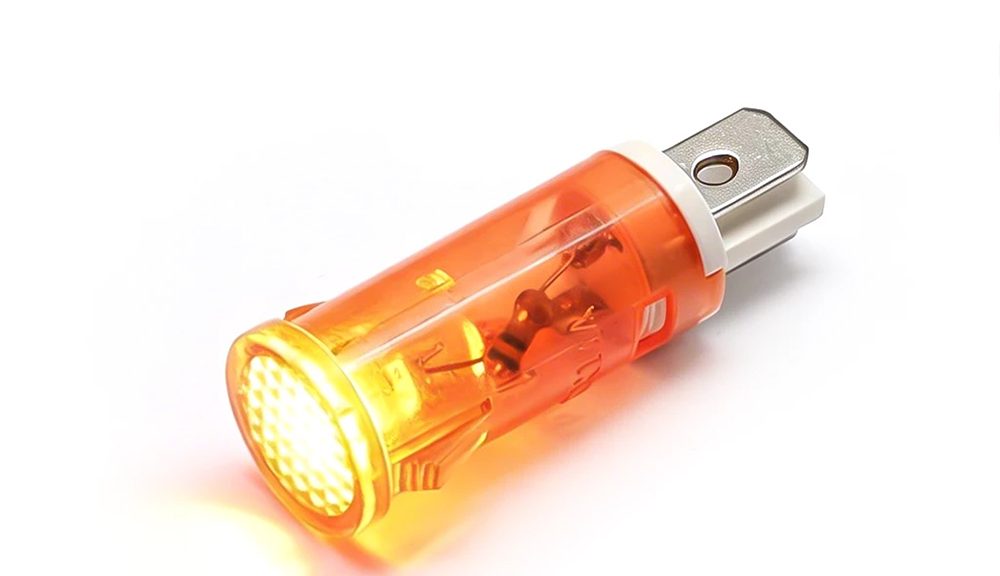
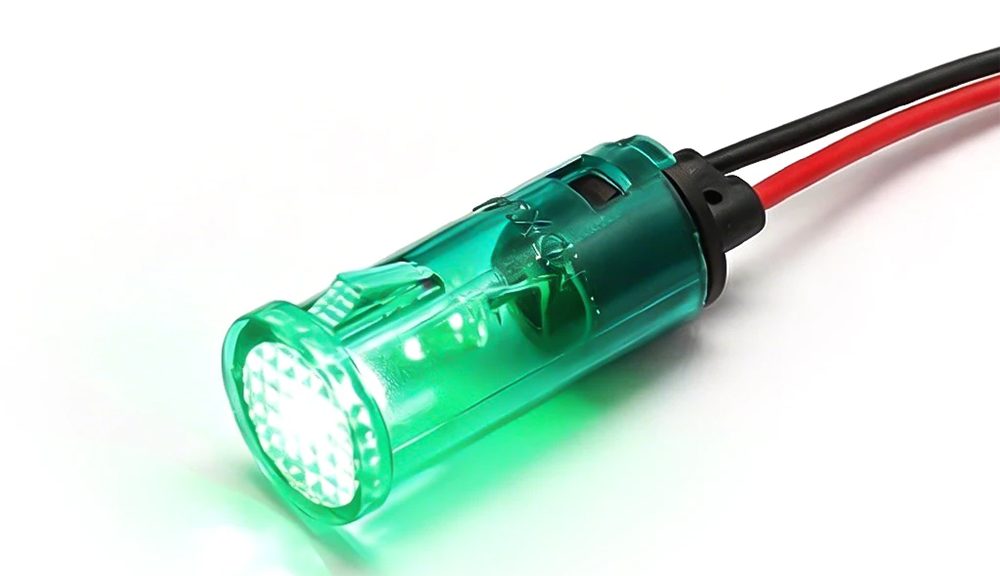
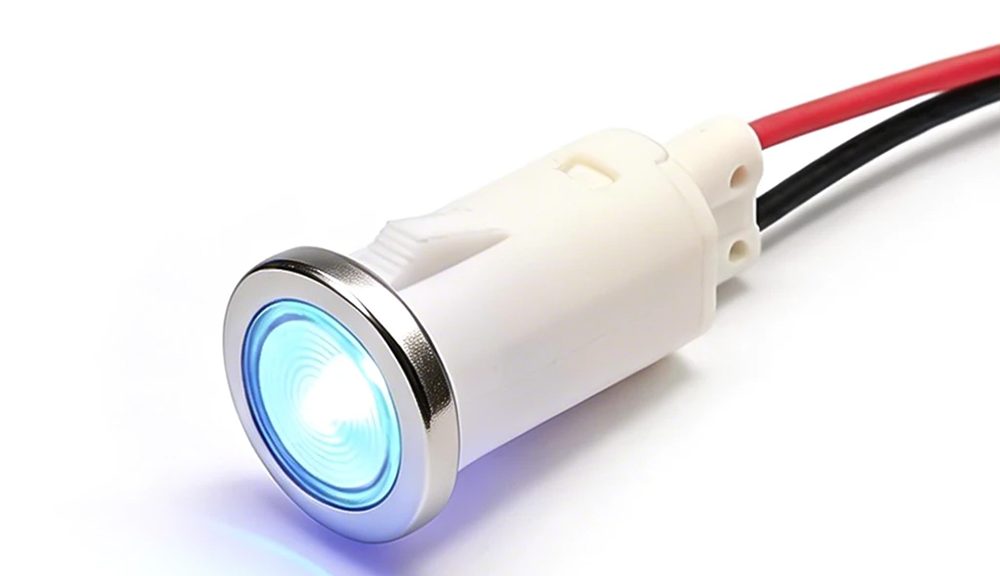
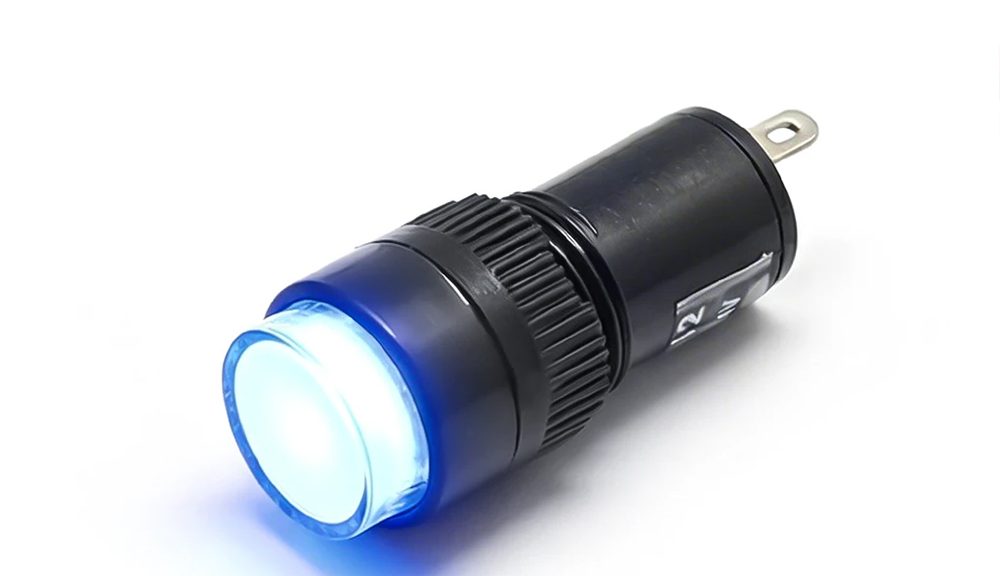
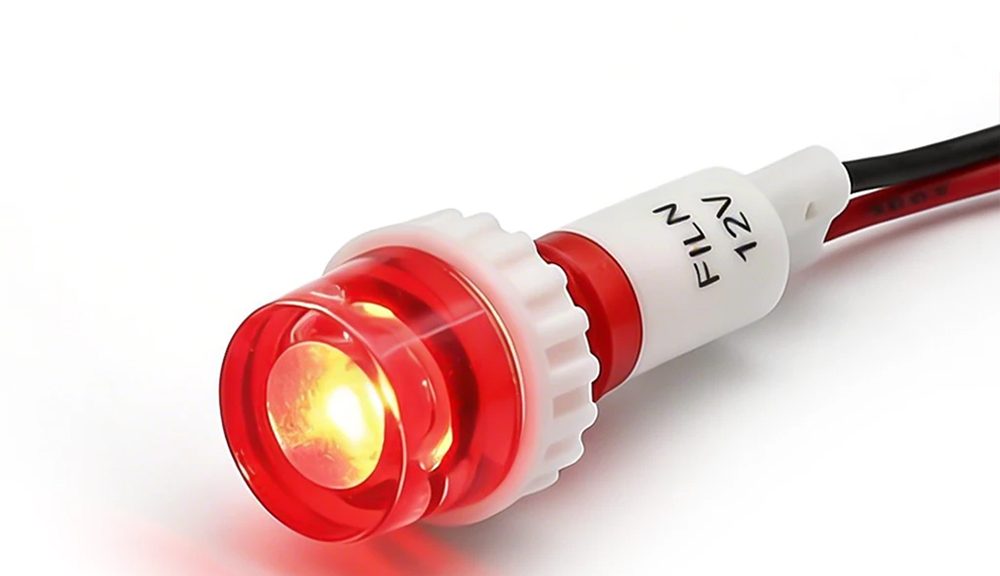
Neon indicator lights are specialized gas-discharge lamps containing neon gas. They are commonly used as small, bright indicators in various appliances and machinery. Check 6mm LED indicator light for more details.
Comparing with Other Lights
Neon lamps differ from other lighting options such as LED, CFL, and incandescent bulbs in their brightness, color, energy efficiency, and lifespan. Neon lamps are renowned for their unique glow and often used in signage.
Applications of Neon Indicator Lights
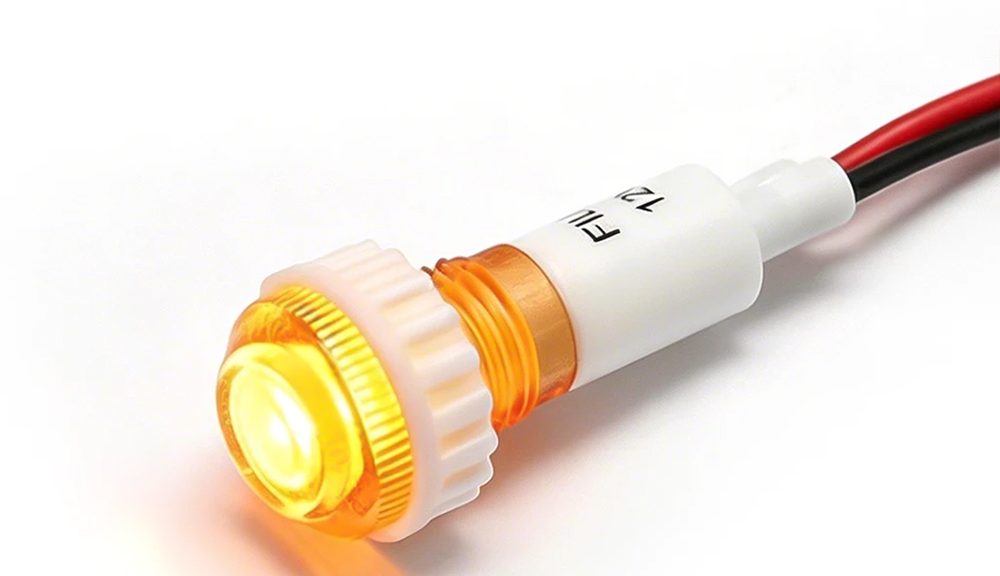
These lights find applications in various sectors like automotive dashboards, industrial machinery, consumer electronics, and decorative purposes. Visit LED pilot light indicator for different designs.
Neon Indicator Light vs. Neon Pilot
While neon indicator lights are primarily for signaling, neon pilot lights are usually part of a control system and might include additional functionalities.
Energy Efficiency and Environmental Impact
Neon lights are relatively energy-efficient compared to traditional bulbs but fall short when compared to LED. However, they are free from harmful substances like mercury.
Visual Appeal and Customization
The unique glow and wide range of colors make neon indicator lights visually appealing. Customization is often possible, meeting specific design needs.
Availability and Price Range
Neon indicator lights are widely available in various sizes and designs, with pricing dependent on quality, brand, and additional features.
Safety Considerations
While generally considered safe, proper handling and installation are essential to prevent any potential hazards related to electricity and breakage.
Impact on Modern Design
Modern architecture and interior design have embraced neon lights for their aesthetic value, leading to a resurgence in popularity.
Future Prospects and Innovations
Innovation in neon indicator light technology is focused on enhancing efficiency, design flexibility, and integration with modern smart systems. Consider looking at red LED indicator light for the latest products.
3. How Do Neon Indicator Lamps 240v Work, and What Are Their Applications?
Understanding Neon Indicator Lamps 240v
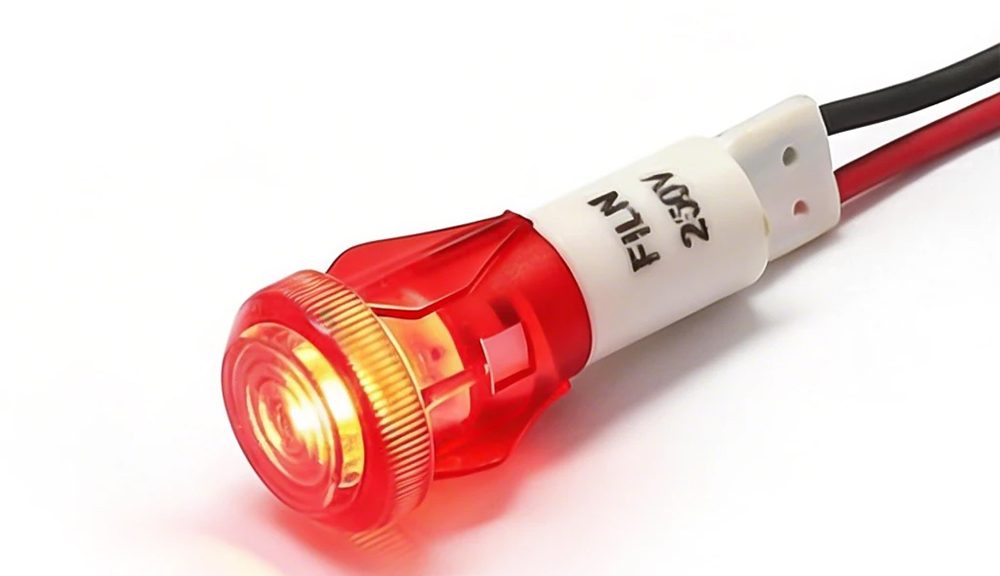
Neon indicator lamps 240v are designed to work with higher voltage systems. The neon gas inside the lamp glows when a 240v current passes through, making it suitable for specific industrial and commercial applications.
Working Principle
The neon gas in the lamp ionizes at a particular voltage, allowing current to flow through and producing a bright glow. The inclusion of a resistor ensures that the current remains within safe limits.
Applications of Neon Indicator Lamps 240v
These lamps find extensive applications in control panels, machinery, and equipment requiring 240v power supply. They are often used in heavy industrial settings and areas with specific voltage requirements.
Compatibility with Other Systems
Though designed for 240v, these lamps can be used with other voltage systems using appropriate transformers or resistors. Check metal signal indicator light for various compatible designs.
Safety Considerations
It’s essential to ensure that the neon indicator lamp 240v is appropriately matched to the system’s voltage to prevent overheating or other electrical issues.
Energy Efficiency
Neon indicator lamps 240v are energy-efficient, providing bright illumination with relatively low power consumption.
Durability and Longevity
These lamps are known for their longevity, with proper installation and maintenance ensuring a prolonged lifespan.
Customization and Design Options
A wide range of design and customization options are available, catering to specific industrial needs and aesthetic preferences.
Impact on Industrial Automation
In an era of industrial automation, these lamps play a vital role in control systems, enhancing process visibility and control.
Innovations and Technological Advancements
Technological advancements in neon indicator lamps 240v are continually emerging, with a focus on improving efficiency, design flexibility, and integration with modern control systems.
4. What is the Difference Between Neon Pilot Lights and Standard Neon Lights?
Defining Neon Pilot Lights
Neon pilot lights are a specific type of neon indicator light used in control panels and systems to indicate the operational status. Double color metal pilot indicator light offers a wide variety of options.
Understanding Standard Neon Lights
Standard neon lights are primarily used for illumination or decorative purposes. They can be found in signage, art installations, and interior decoration.
Functional Differences
While standard neon lights serve mostly aesthetic purposes, neon pilot lights have a functional role in signaling system status, especially in industrial applications.
Design and Construction
Neon pilot lights are often more robust and designed to fit within control panels or machinery. Standard neon lights may have a more artistic or decorative design.
Voltage and Power Requirements
Neon pilot lights often operate at specific voltages in line with control systems, whereas standard neon lights might be more flexible in their voltage requirements.
Applications and Use Cases
While standard neon lights are more common in commercial and aesthetic applications, neon pilot lights are used in industrial settings to signal machinery status or warnings.
Price and Availability
Neon pilot lights might be more specialized and slightly more expensive than standard neon lights, depending on the features and specifications.
Maintenance and Durability
Neon pilot lights usually require more rigorous maintenance to ensure proper functioning in an industrial setting, but they are generally more durable.
Impact on Modern Industry
Neon pilot lights are essential in modern industry, providing crucial visual cues in complex machinery and systems.
Future Trends and Innovations
Innovation in neon pilot lights focuses on improving efficiency, reliability, and integration with modern industrial automation systems.
5. How Do Sodium Lights Differ from Neon Lights, and Where Are They Used?
Understanding Sodium Lights
Sodium lights, unlike neon lights, use sodium gas to produce illumination. They are commonly used in street lighting due to their high efficiency and bright yellow-orange glow.
Working Principle
Sodium lights work by passing an electric current through sodium vapor, which excites the sodium atoms and emits a characteristic yellow-orange light.
Comparing with Neon Lights
While neon lights produce a bright reddish-orange glow, sodium lights emit a yellow-orange light. Neon lights are often used for decorative purposes, while sodium lights are more common in outdoor lighting.
Applications of Sodium Lights
Sodium lights are widely used in street lighting, parking lots, highways, and other areas requiring bright and energy-efficient illumination. Visit metal navigation indicator light for related products.
Energy Efficiency and Environmental Impact
Sodium lights are highly energy-efficient but contain toxic substances that must be handled with care during disposal.
Aesthetic Considerations
While neon lights are preferred for their unique glow and color options, sodium lights are less suitable for aesthetic purposes due to their distinct yellow-orange hue.
Price and Availability
Sodium lights are generally more affordable and widely available for outdoor lighting applications.
Maintenance and Durability
Sodium lights tend to have a longer lifespan than neon lights but may require more regular maintenance to retain efficiency.
Impact on Urban Development
The widespread use of sodium lights has shaped urban development, providing energy-efficient lighting solutions for modern cities.
Innovations and Alternatives
Recent innovations focus on improving sodium lights’ efficiency and exploring alternatives like LED technology that could offer environmental and performance benefits.

6. How Do HID Light, Mercury Lamp, and CFL Light Compare to Neon Lights?
Defining HID Light, Mercury Lamp, and CFL Light
High-Intensity Discharge (HID) lights, mercury lamps, and Compact Fluorescent Lights (CFL) are common lighting technologies that differ significantly from neon lights. Each has its unique characteristics and applications.
HID Light vs. Neon Light
HID lights, often used in automotive headlights, are brighter and more energy-efficient than neon lights but lack the unique glow and color versatility of neon.
Mercury Lamp vs. Neon Light
Mercury lamps are powerful illumination sources used in various industrial applications. Unlike neon, they contain toxic mercury and require proper handling and disposal. Check metal flameproof indicating light for related products.
CFL Light vs. Neon Light
CFL lights are energy-efficient alternatives to incandescent bulbs and are commonly used in residential lighting. They don’t share the decorative appeal of neon lights.
Applications and Use Cases
HID is prominent in automotive, mercury in industrial, and CFL in residential applications. Neon lights have more niche applications in signage and design.
Energy Efficiency Comparison
Among these, CFL and HID are considered more energy-efficient than neon lights, while mercury lamps may vary depending on design and application.
Environmental Considerations
While neon lights are environmentally safe, mercury lamps contain toxic substances, and CFL lights have specific disposal requirements to prevent environmental harm.
Aesthetic and Design Aspects
Neon lights stand out for their aesthetic appeal, while HID, mercury, and CFL are more functional and less suited for decorative purposes.
Price and Availability
Price and availability vary among these options, with neon lights typically falling in a mid-range category, and CFL being the most affordable.
Maintenance and Durability
Neon lights are relatively durable, while HID may require more maintenance. CFL and mercury lamps have varying lifespans depending on usage and quality.
Future Trends and Technology
Innovation in these lighting technologies focuses on improving efficiency, environmental friendliness, and integration with modern smart lighting systems.
7. How to Choose the Best Neon Indicator Light for Your Needs?
Understanding Your Needs
Before choosing a neon indicator light, it’s vital to understand your specific needs, such as purpose (decorative or functional), required brightness, color preferences, and budget constraints.
Consider Voltage Requirements
Selecting the correct voltage, such as neon indicator lamps 240v or other specifications, ensures compatibility with your existing system or application.
Explore Design Options
With a wide variety of design options available, consider aesthetics, size, shape, and mounting options to suit your requirements.
Evaluate Energy Efficiency
Energy efficiency can vary among neon lights, so choosing a model that fits your energy consumption goals is essential.
Research Brands and Quality
Researching reputable brands and reading customer reviews can guide you towards high-quality neon indicator lights that will meet your expectations.
Consider Environmental Impact
Choose neon indicator lights that are environmentally friendly and free from harmful substances to align with eco-conscious values.
Look for Customization Options
Some manufacturers offer customization options for neon indicator lights, allowing you to tailor the product to your specific design needs.
Check Warranty and Support
Consider warranty, customer support, and return policies to ensure you have assistance if any issues arise post-purchase.
Assess Installation and Maintenance
Evaluate the ease of installation and maintenance requirements to ensure a hassle-free experience with your neon indicator light.
Compare Prices and Deals
Comparing prices and looking for deals from various suppliers can lead to significant savings, especially when purchasing in bulk.
Stay Updated with Latest Trends
Staying updated with the latest trends and innovations in neon indicator light technology ensures that you choose a modern and future-proof option.
8. What Are the Benefits of Using Neon Lights in Various Industrial Applications?
Visual Appeal
Neon lights add visual appeal to industrial applications with their bright glow and range of colors, enhancing the overall aesthetic.
### Energy Efficiency Neon lights are energy-efficient and can reduce operational costs in various industrial applications.
Durability and Longevity
With proper care and maintenance, neon lights offer durability and a long lifespan, making them a cost-effective option for industrial use.
Customization Options
Neon lights offer extensive customization options, allowing industries to tailor lighting solutions to specific needs and preferences.
Safety Considerations
When handled and installed correctly, neon lights provide a safe lighting option, reducing the risk of electrical issues and fire hazards.
Versatility and Flexibility
Neon lights’ versatility allows them to be used in various industrial applications, from signage to machine indicator lighting.
Unique Branding Opportunities
Industries can utilize neon lights for unique branding opportunities, creating distinct and memorable visual identities.
Improved Work Environment
Neon lights can enhance the work environment by providing adequate illumination without glare or harshness, contributing to employee comfort and productivity.
Environmentally Friendly
By choosing environmentally friendly neon lights, industries can align with sustainability goals and reduce their ecological footprint.
Availability and Support
With widespread availability and support from various suppliers, industries can easily access neon lights to suit their specific requirements.
Integration with Modern Technology
Incorporating neon lights with modern smart technology allows industries to create intelligent lighting systems that adapt to specific needs and conditions.
9. How Do Panel Mount Lamps Compare to Neon Indicator Lights?
Definition of Panel Mount Lamps
Panel mount lamps are specialized lights mounted on panels, usually in machinery or equipment, to indicate status or warnings. They differ significantly from neon indicator lights in design and function.
Functionality Comparison
While neon indicator lights are often used for decorative or general illumination purposes, panel mount lamps serve specific functional roles in machinery and control systems.
Design and Aesthetic
Neon indicator lights offer various design and color options, while panel mount lamps are typically more utilitarian and less concerned with aesthetics. Explore led socket head 12mm metal indicator light for related products.
Energy Efficiency
Both neon indicator lights and panel mount lamps can be energy-efficient, but their efficiency depends on the specific type and application.
Durability and Maintenance
Panel mount lamps are designed for rugged industrial environments, while neon indicator lights might be more delicate and suitable for indoor use.
Customization and Variety
Neon lights offer broader customization options, while panel mount lamps are more standardized but can still be tailored to specific requirements.
Price and Availability
While neon lights might be more widely available in various designs and price ranges, panel mount lamps are more specialized and may be sourced from specific suppliers.
Safety Considerations
Panel mount lamps must meet strict safety standards due to their use in machinery and control systems. Neon lights have different safety considerations, more focused on handling and installation.
Environmental Impact
Both types of lights can be produced with environmental considerations in mind, but specific eco-friendly options may vary between neon lights and panel mount lamps.
Applications and Use Cases
Panel mount lamps are specific to industrial and machinery applications, while neon indicator lights have broader applications, including commercial and decorative use.
Future Trends and Innovations
The future trends in panel mount lamps focus on smart integration and enhanced functionality, while neon indicator lights continue to evolve in design and energy efficiency.